 PH · NZ
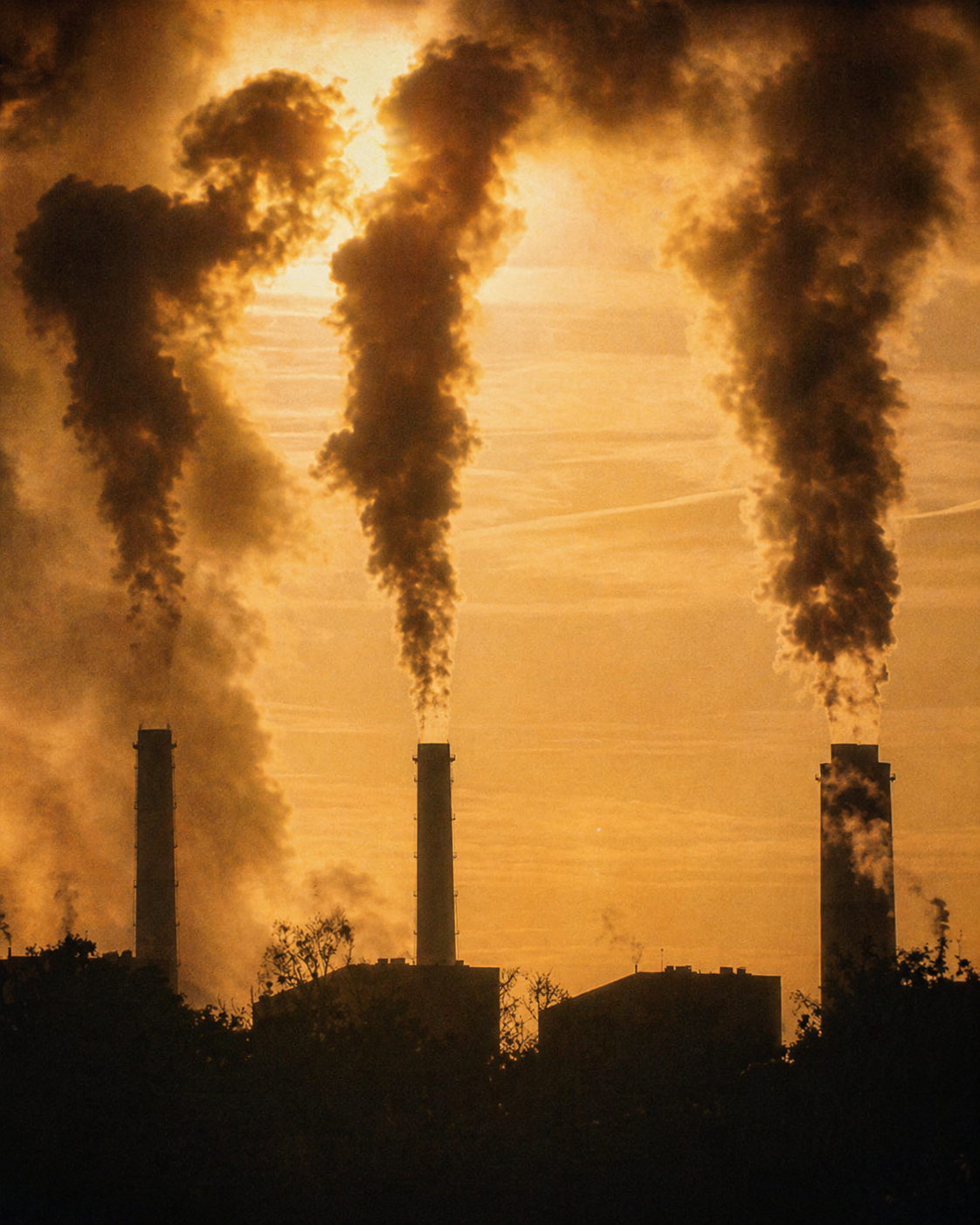
The Philippines pledged to cut emissions 75% by 2030.Current policies put it on track for an 84% increase instead.
Climate Action Tracker, Philippines country profile, 2024
 PH · NZ
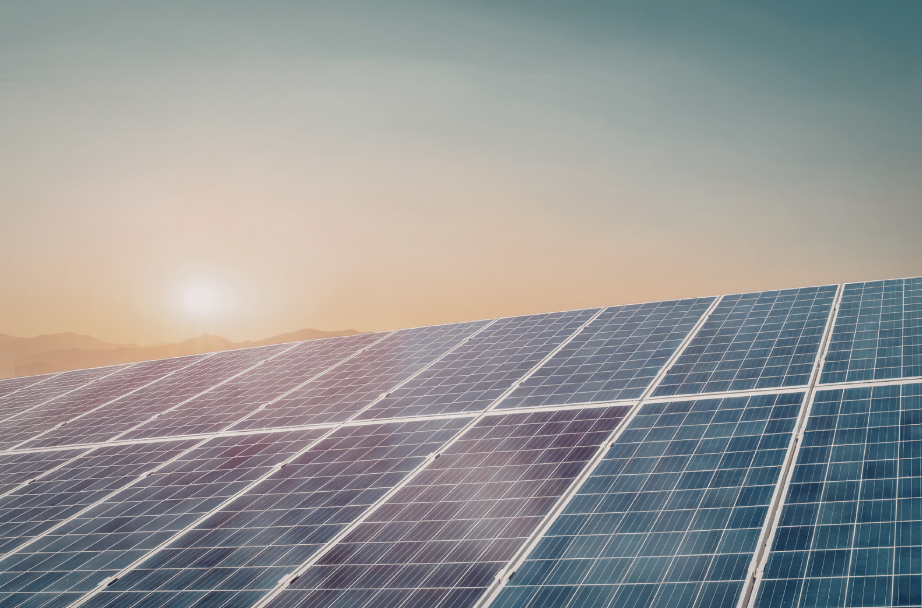
Climate Action Tracker, Philippines country profile, 2024

Position Subic Bay as Southeast Asia's leading green port city. SBMA Chairman directive: a climate mandate at the institutional level.
Mandate approved at the top. No deployment pathway. Port Operations identified as the entry point but lacked the in-house architecture to convert a climate directive into a running programme.
A capability programme that installs the execution architecture for SBMA to design, fund, and deliver climate programmes against their green port mandate. Structured methodology, vetted delivery partner, board-ready governance.
Scoped mandate with Port Operations. Selected Creative HQ (NZ) as delivery partner: 22 years applied methodology, 7 years Philippine public-sector track record. Negotiated cost, structure, and timeline. Board-ready brief endorsed to SBMA Chairman. First cohort selecting right now.
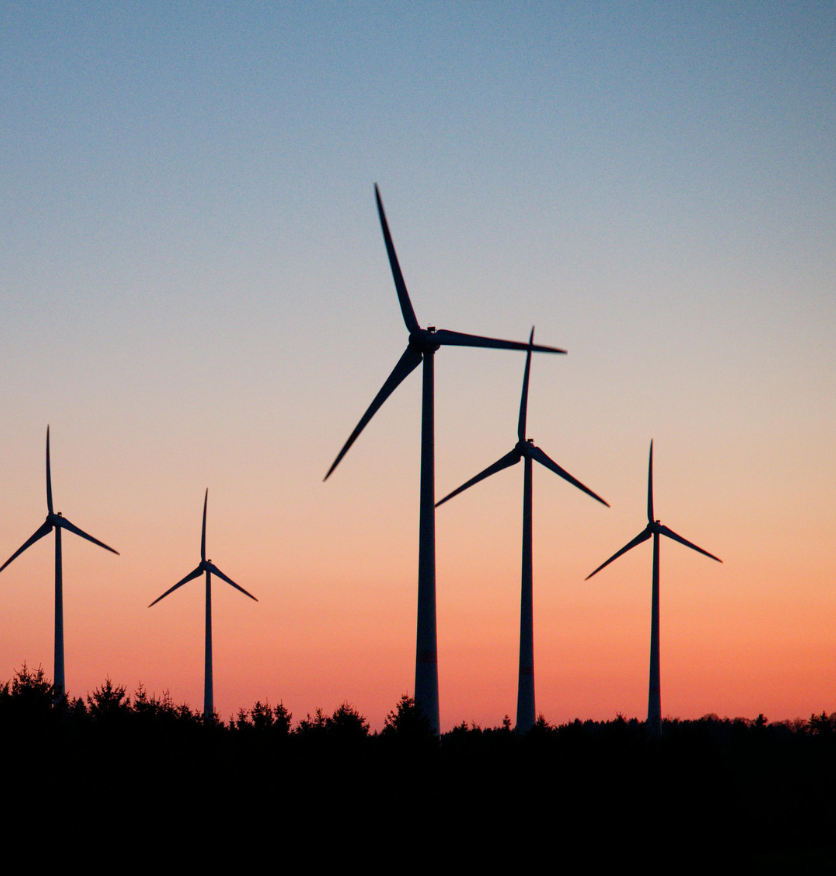
Climate mandates land faster than institutions can act on them. We close that gap by bridging New Zealand climate capability into the Philippine market: methodology, technology, and delivery partners, deployed where the work actually happens. One measurable outcome: CO2e reduced in the Philippines.
Active partnerships include Creative HQ (NZ-pedigree innovation methodology) and Nezo (embodied carbon analytics for construction).
We map the mandate. We surface the incentives. We build the operating framework. We orchestrate from board approval through delivery. Not a deck. Not a strategy. A running programme.
Five questions on what's driving you, where you are, and what'd be worth a 30-minute conversation.
Under two minutes.
What's pushing climate up your priority list right now?
Which best describes your operation?
Where are you in measuring your emissions?
What's the biggest thing holding you back?
What would make a 30-minute call worth your time?
Generating your response…
Your response is above. Book a call to go deeper.
Schedule a 30-minute scoping conversation
The Philippines has the climate vulnerability, the regulatory pressure, and the urgency. What it lacks is methodology, execution capability, and ready-deployable technology. New Zealand has all three, hardened under one of the world's earlier mandatory disclosure regimes. What it lacks is the market.
Delta Foundry was built to close that gap.
Carlos founded Delta Foundry after spending nearly two decades building inside the Philippine institutional market. He built and scaled Kahon.ph, the country's first on-demand storage venture, working with clients across government, corporates, hospitals, and major operators. The pattern that surfaced again and again: the organisations under the most pressure to change often lacked the bandwidth, the execution structure, and the specialist capability to actually deliver it.
That same pattern showed up in his climate research at Whitireia/WelTec in New Zealand, studying NZX-listed companies from 2010 to 2021. Stronger ESG performance correlated with lower carbon emissions, but only when execution was substantive. Signalling alone didn't move the needle. The relationship weakened in larger, more capital-intensive firms, where transition is hardest to deliver in practice.1
The conclusion was operational, not academic. The Philippines doesn't need more strategy decks. It needs vetted methodology, deployable technology, and delivery partners who have already done the work elsewhere. Delta Foundry brings them.
One measurable outcome: CO2e reduced in the Philippines.
Delta Foundry was built to bridge New Zealand climate capability into the Philippine market, and reduce CO2e while we're at it.
1 Carlos Domingo, Master of Management research, Whitireia/WelTec, 2024. NZX-listed companies, 2010–2021; 2,254 firm-quarter observations.
Building a future to live in.